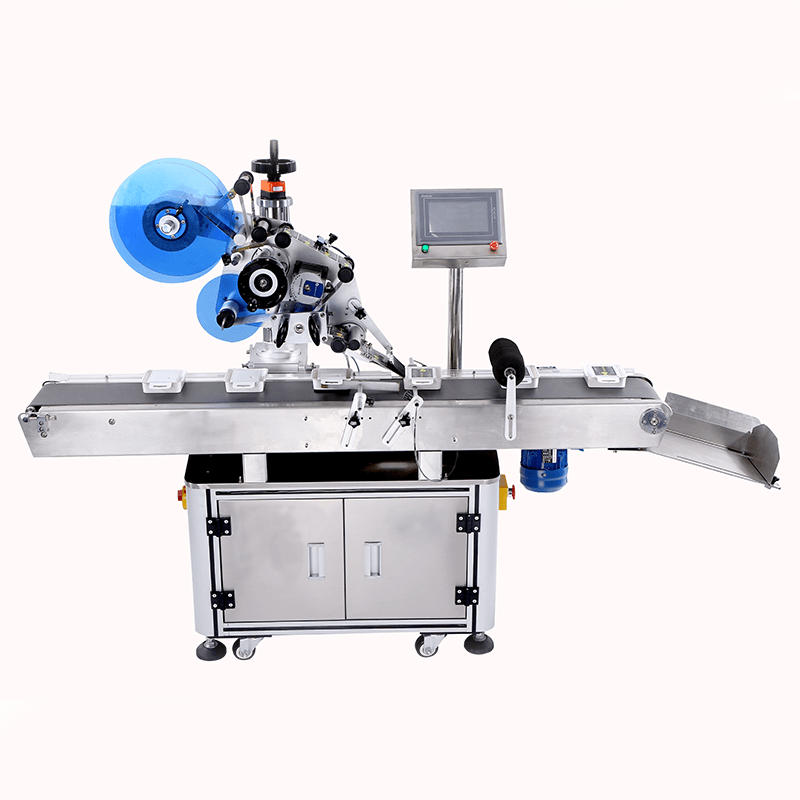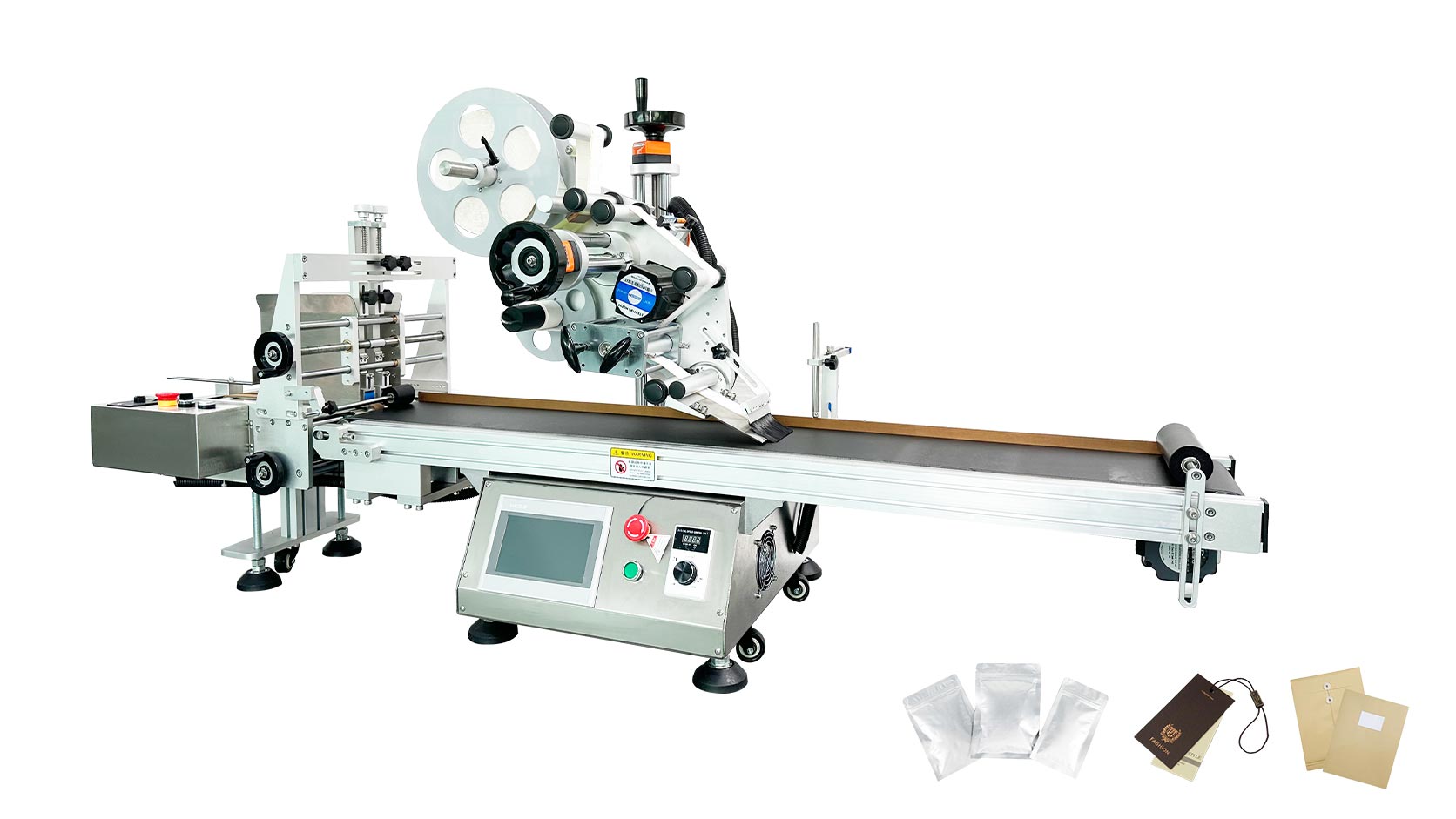
WINNEO 3/4-Side Wrap-Around Labeling Machine for Food Containers
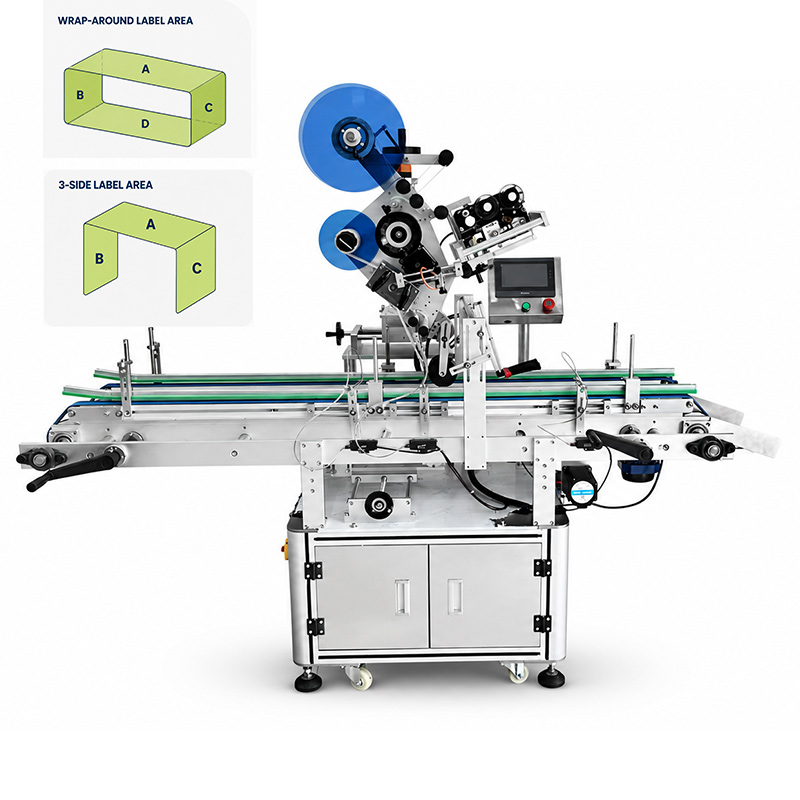
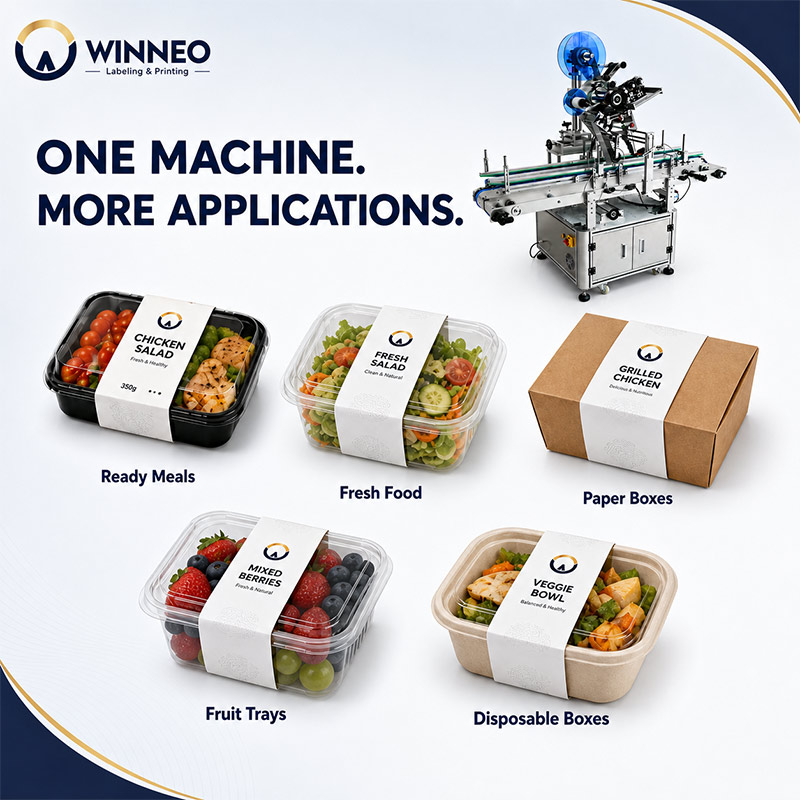
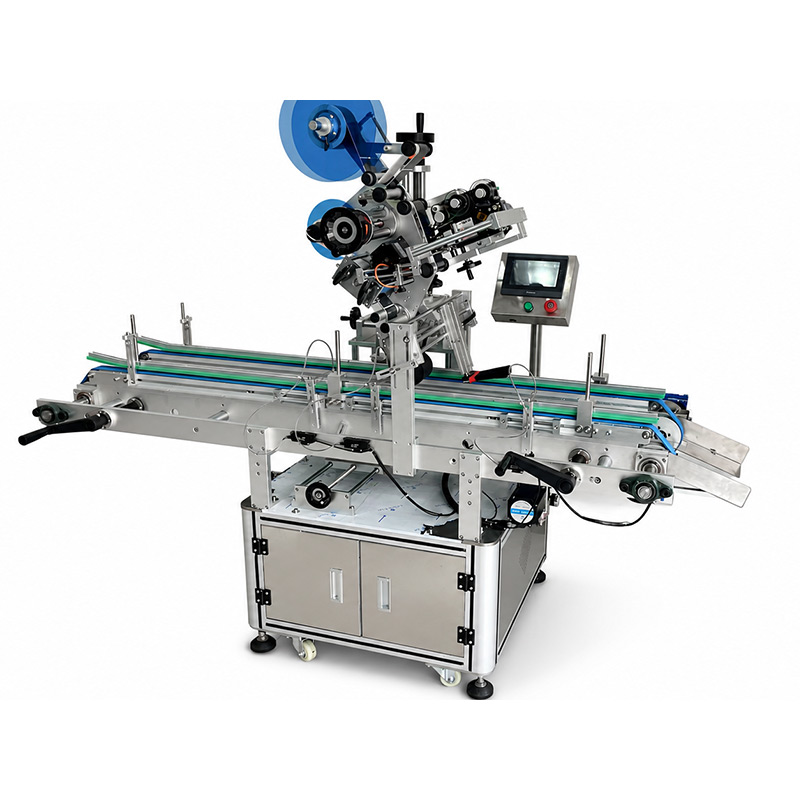
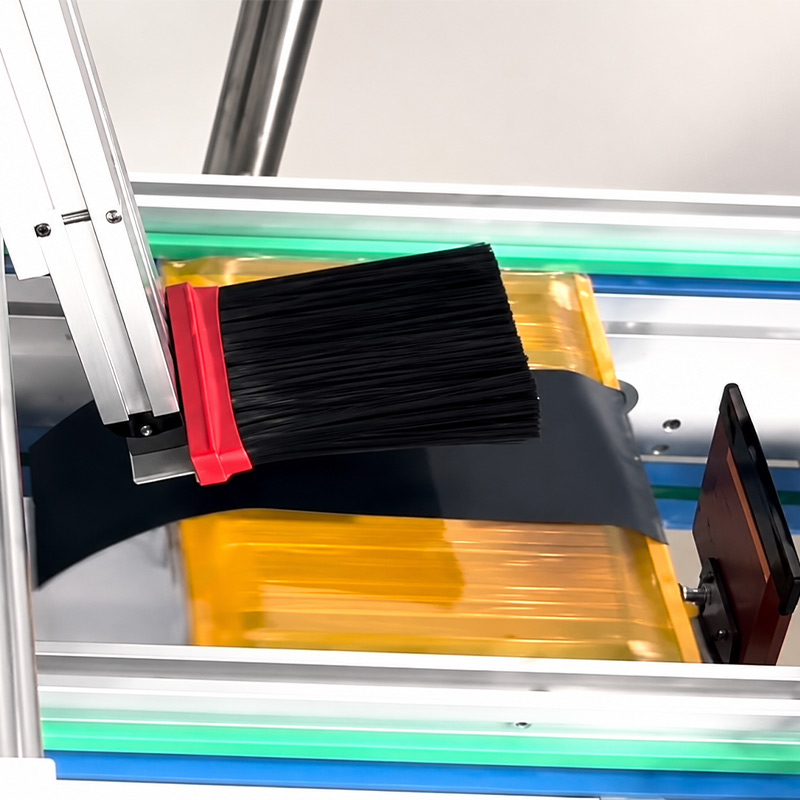
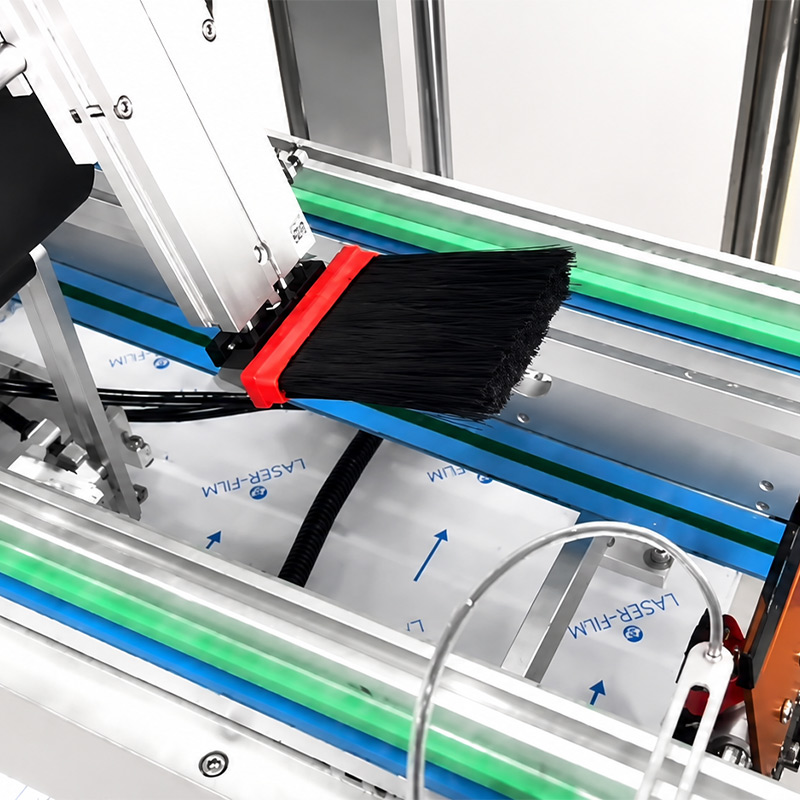
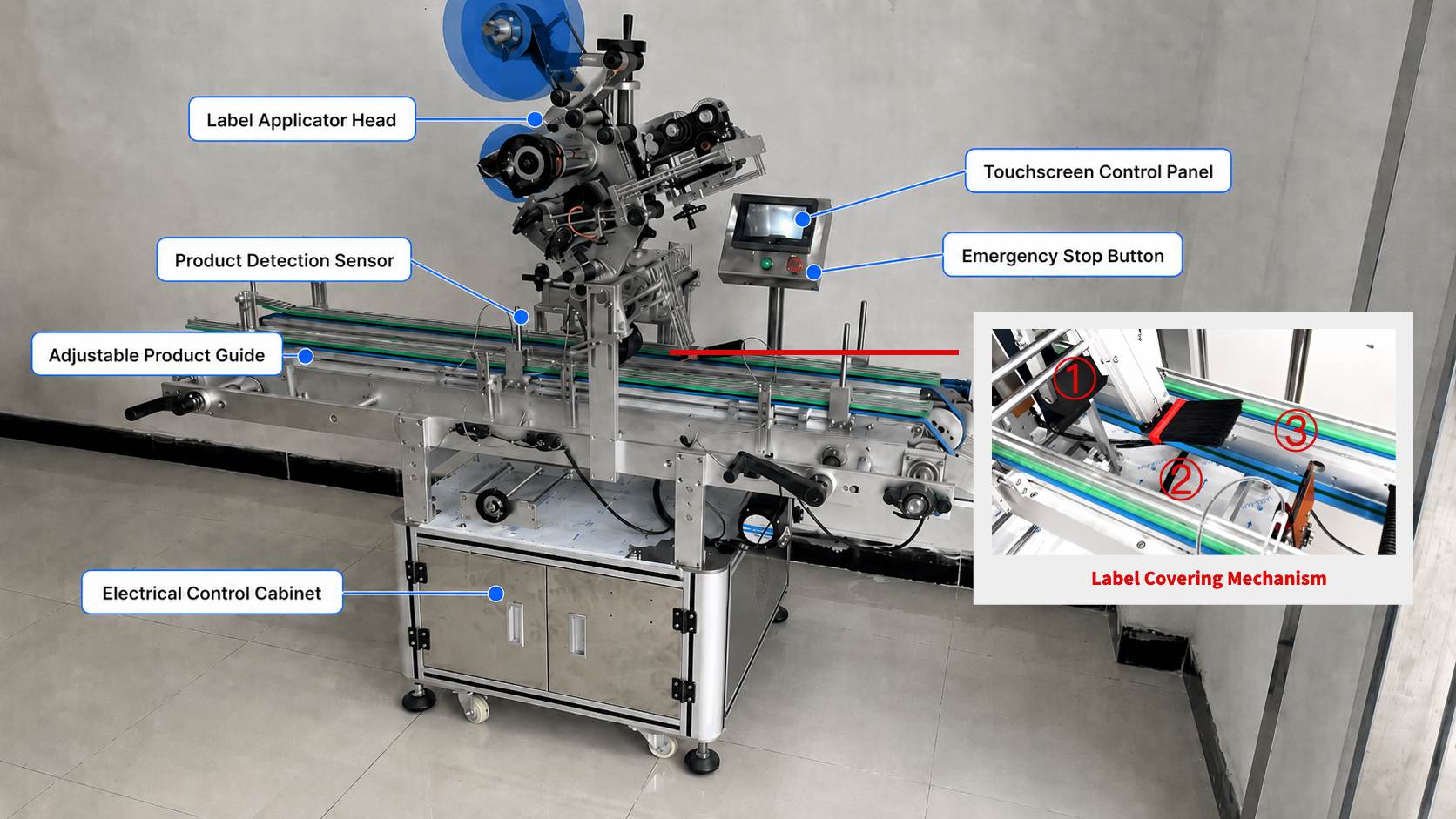
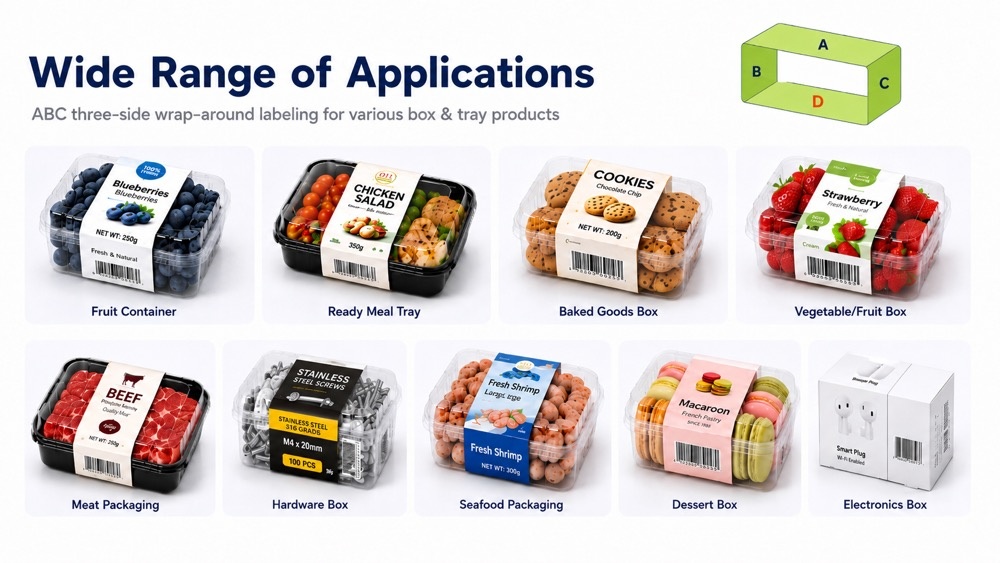
Product Introduction Applies one label continuously across the top and opposite sides of boxes or trays, providing consistent label positioning, smooth folding and reliable performance for continuous production. ● One Label for 3/4-Side Wrap-Around Labeling ● Feeding, Product Detection and Label Application ● Adjustable for Different Box and Tray Sizes ● Designed for Stable Continuous Production Key Specifications ±1.0 mm Labeling Accuracy 15–30 pcs/min Labeling Speed Ø76 mm Label Inner Diameter ≤ Ø280 mm Label Outer Diameter Applicable Product Size: According to specific product dimensions Applicable Label Size: According to specific label dimensions * Labeling accuracy excludes errors caused by the product and label. Actual labeling speed varies depending on product size.
Detalles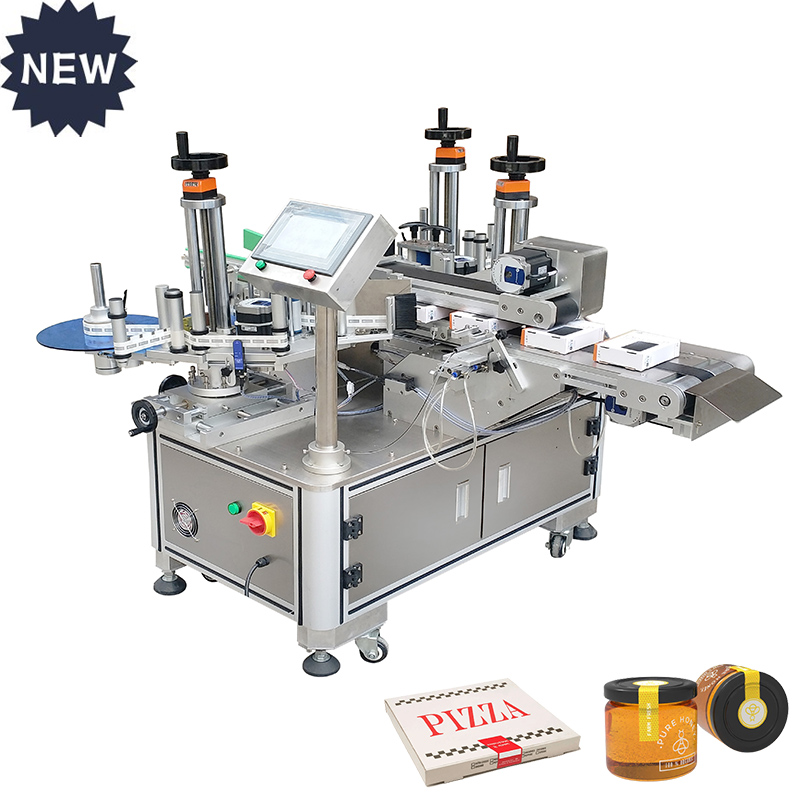
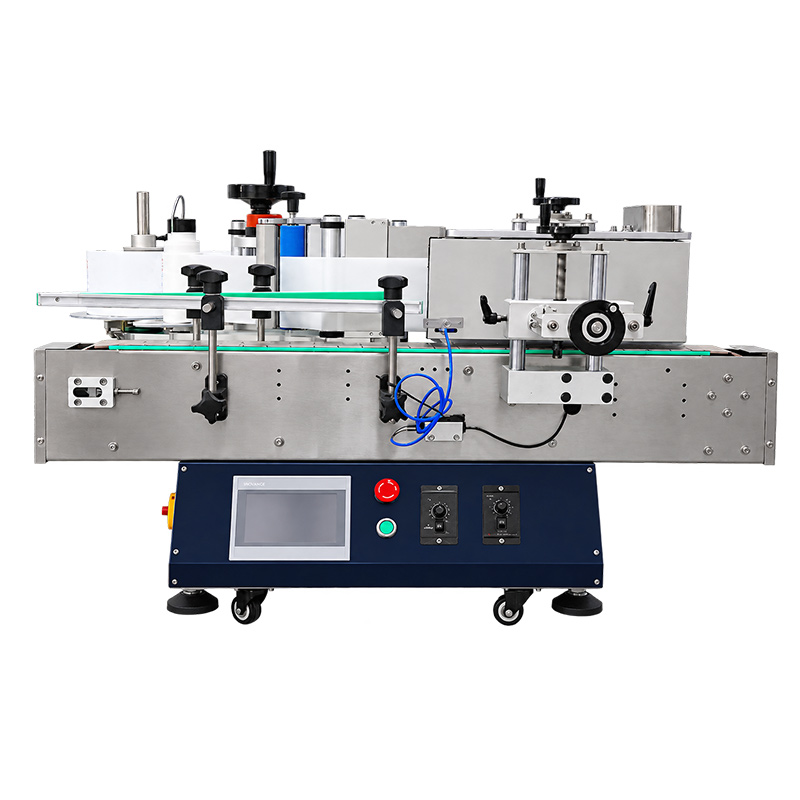
Características de esta máquina:1. Amplia aplicación:Se utiliza para etiquetar en las esquinas de la caja, en el plano superior de la caja y en las esquinas laterales de la caja.2. Industrias aplicables:Se utiliza principalmente para póquer, cajas de embalaje electrónicas, cajas de embalaje de cosméticos y todo etiquetado de cajas a prueba de manipulaciones.
Detalles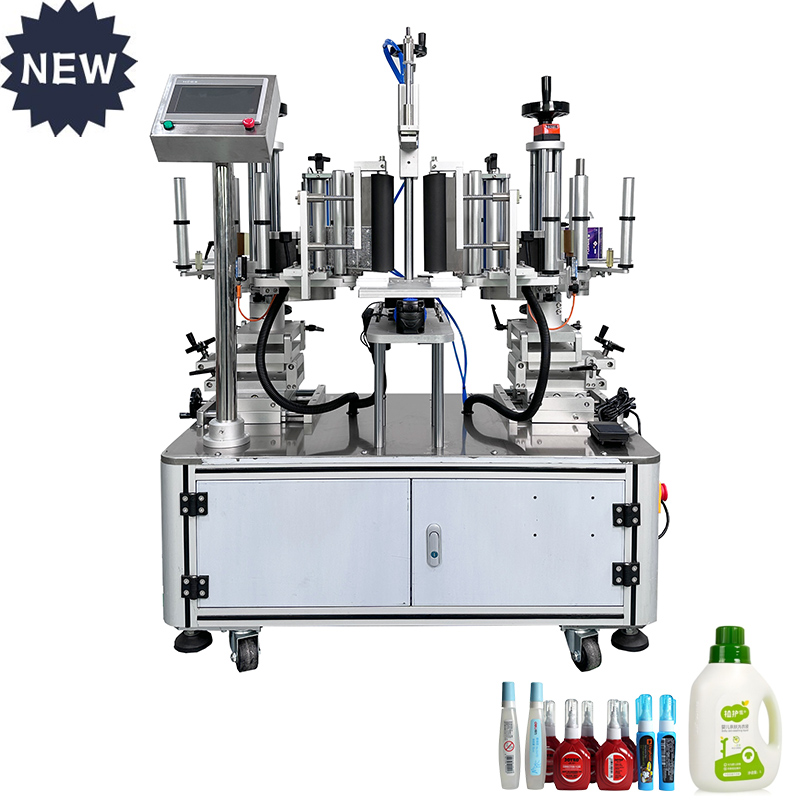
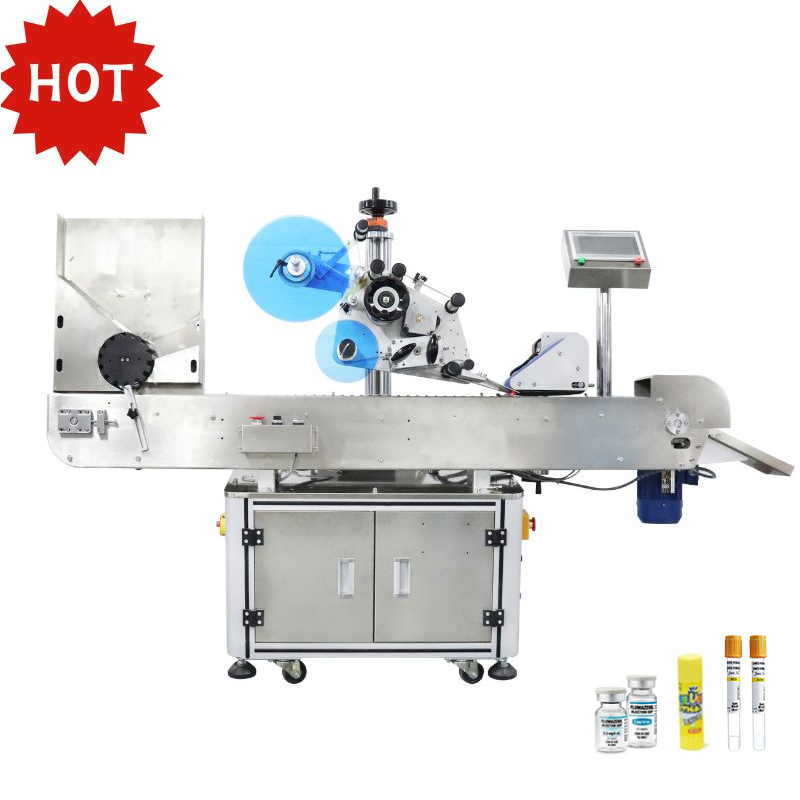
Características de esta máquina:1. Amplia aplicación:Para el lateral de diversos productos, botellas planas de cosméticos, cajas de embalaje, etiquetado lateral de plástico, etc.2. Adaptable a superficies complejas:Puede etiquetar en superficies irregulares, como planos cóncavos y superficies arqueadas.3. Se puede instalar sistema de inyección de tinta.:Imprima la fecha y el número de lote en la etiqueta para lograr una codificación y etiquetado integrados.
Detalles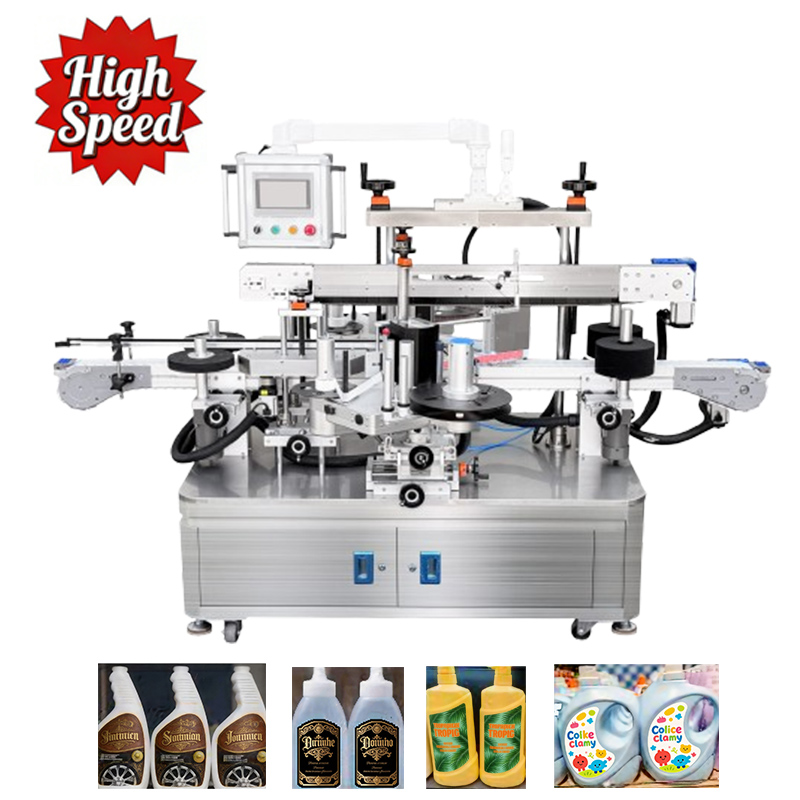
Características de esta máquina:Cabezal de etiquetado estándar de alta velocidadEquipada con un cabezal de etiquetado estándar de alta velocidad y una configuración de hardware de alta calidad. Etiquetado a doble cara en una sola pasadaPermite el etiquetado a doble cara en un solo paso, sin necesidad de operaciones adicionales. Ajuste flexibleAjuste flexible de la posición de las etiquetas tanto en la parte frontal como en la posterior. Alta precisión en el etiquetadoAlta precisión en el etiquetado, con un margen de error inferior a 2 mm, prácticamente invisible a simple vista. Alto Etiquetado eficienteAlta eficiencia de etiquetado: entre 400 y 500 productos por minuto, lo que equivale a entre 6 y 8 etiquetas por segundo.
Detalles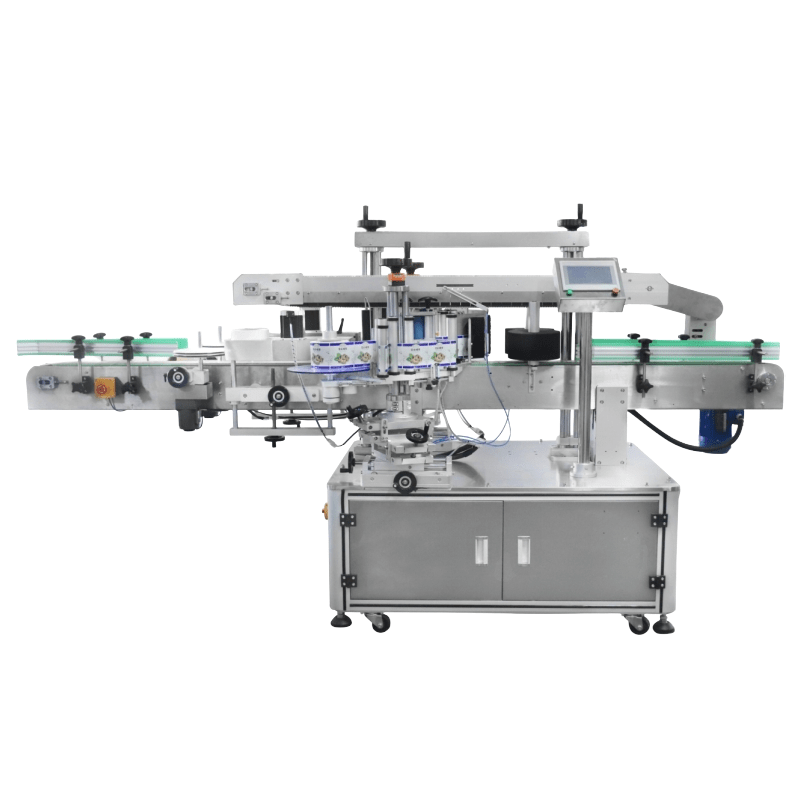
Características de esta máquina:1. Es adecuado para el etiquetado de una o dos caras de botellas planas, redondas y cuadradas.2. Como botellas planas de champú, botellas planas de aceite lubricante, botellas redondas de desinfectante de manos, etc.3. El cabezal de etiquetado se puede modificar:Ampliamente utilizado en productos químicos cotidianos, cosméticos, petroquímicos, medicamentos, etc.
Detalles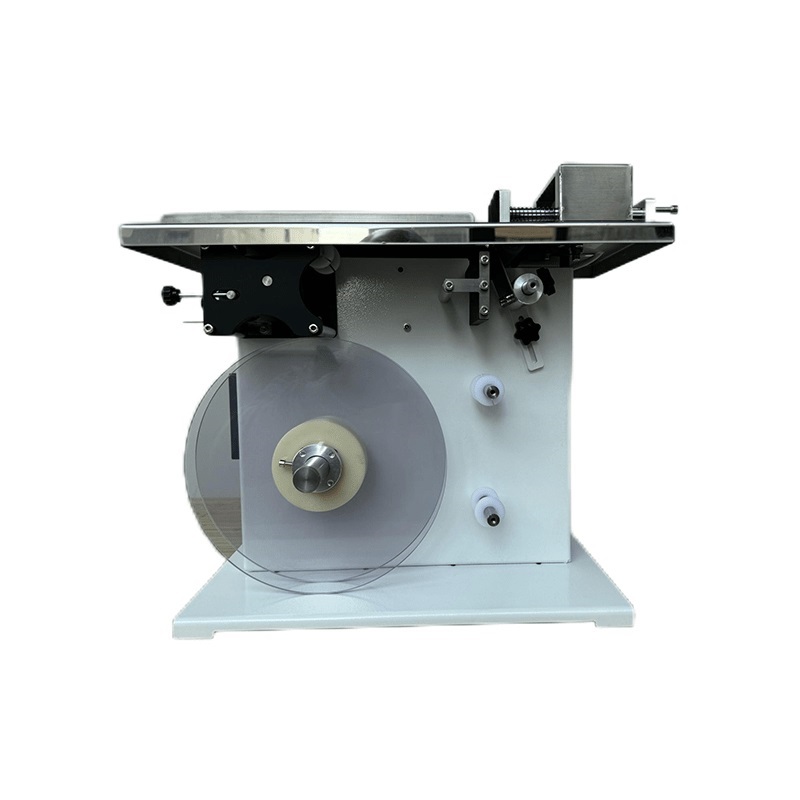
Características de esta máquina: Alta eficiencia y precisión:Alta velocidad, asegura una adhesión firme y un posicionamiento preciso, sin que las etiquetas se tuerzan ni se arruguen. Fácil operaciónInterfaz sencilla e intuitiva. Los trabajadores pueden ajustar rápidamente los parámetros para diferentes tamaños de producto. Amplia aplicabilidad:Adecuado para diversas industrias como alimentos, productos químicos de uso diario y productos electrónicos para el etiquetado de envases.
Detalles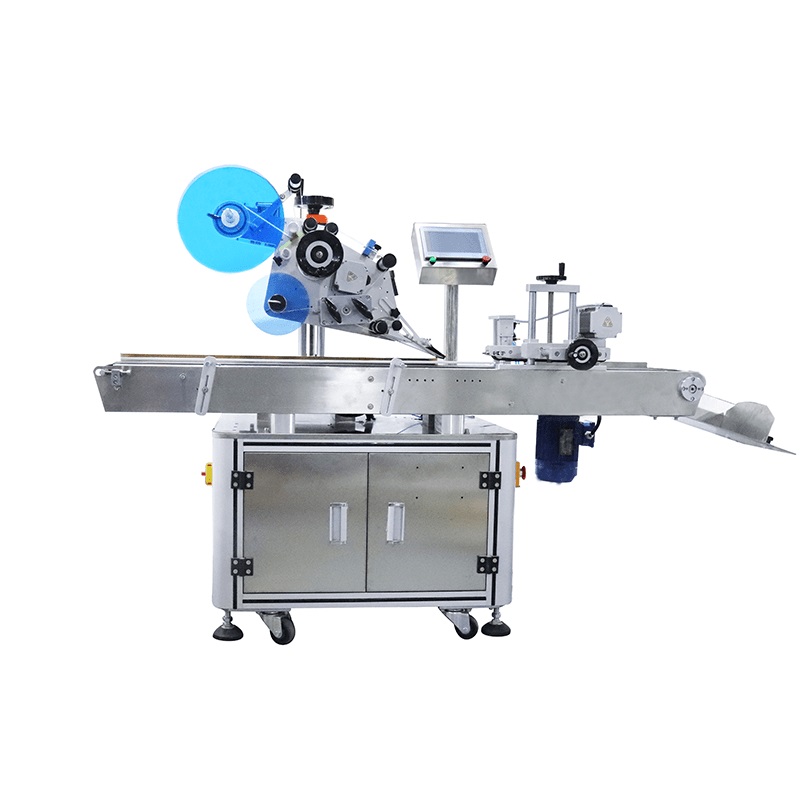
Características de esta máquina:Etiquetado de posiciones múltiples:Se utiliza para etiquetar en las esquinas de la caja, en el plano superior de la caja, en las esquinas laterales de la caja y para evidenciar manipulaciones.Amplia aplicabilidad:Es principalmente para póquer, cajas de embalaje electrónicas, cajas de embalaje de cosméticos y todo etiquetado de caja a prueba de manipulaciones.
Detalles


 IPv6 RED SOPORTADA
Mapa del sitio
| XML | Blog | política de privacidad
IPv6 RED SOPORTADA
Mapa del sitio
| XML | Blog | política de privacidad
Tiempo de trabajo
Recibe tu información las 24 horas del día
Hora de Pekín: Lunes a viernes de 9:00 a 17:30
 Español
 English
 Русский
 Italiano
 Español
 عربي
عربي 한국어
한국어 Türk
Türk Polski
 ไทย
ไทย Tiếng Việt