Ceramic pad printing is widely used to decorate cups, bowls, plates, saucers, and other ceramic products with logos, patterns, and multicolor designs.
However, not all ceramic printing processes are the same. Two important decoration methods are overglaze printing and underglaze printing. Although both can use pad printing technology, they differ in printing stage, firing temperature, ink requirements, and final surface properties.
Understanding these differences can help ceramic manufacturers choose the right printing process, equipment, and consumables for their production needs.
Overglaze pad printing applies decorative patterns to the surface of ceramic products that have already undergone glaze firing.
The design is transferred onto the glazed ceramic surface using a silicone pad. The decorated product then undergoes an additional firing process to fix the ceramic decoration.
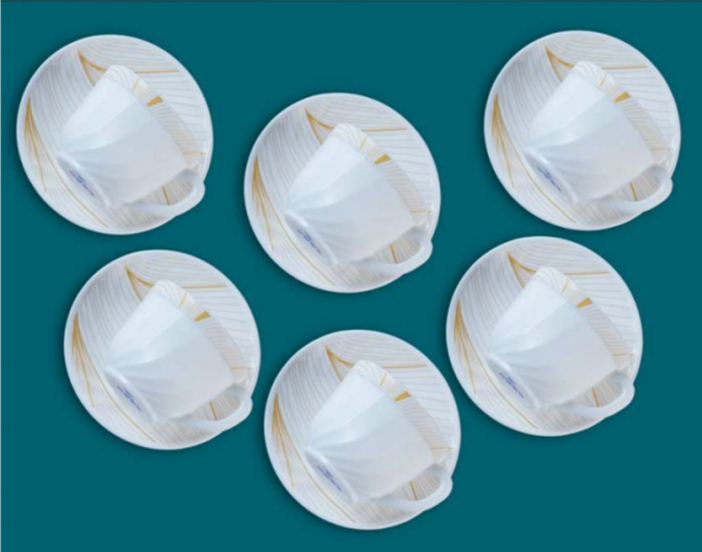
Overglaze decoration is commonly fired at approximately 600–900°C, depending on the ceramic pigment, glaze, and decoration requirements.
Because the decoration is fired at a lower temperature than many high-fired ceramic bodies, overglaze printing can accommodate a relatively wide range of decorative colors.
Overglaze printing can be used for decorative porcelain, ceramic mugs, promotional ceramic gifts, and branded ceramic products.
However, because the decoration remains on the glaze surface, its resistance to abrasion and repeated washing depends on the ceramic ink formulation, firing conditions, and final product quality.
Underglaze pad printing transfers decorative patterns onto an unglazed ceramic body before the final glazing process.
After printing, the ceramic product is covered with a suitable glaze and fired. The decoration becomes positioned beneath the glaze layer.
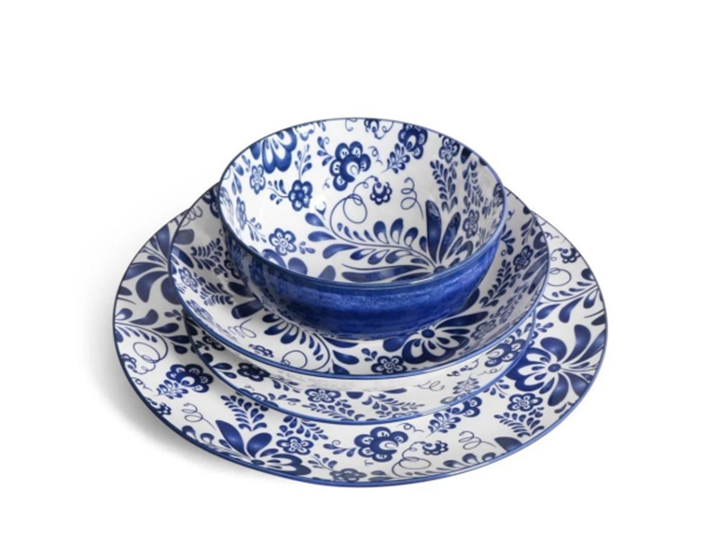
For many high-fired porcelain applications, firing temperatures are approximately 1200–1400°C, although lower-temperature ceramic systems also exist.
Underglaze ceramic pigments must be compatible with the selected glaze and withstand the required firing conditions.
Underglaze printing is widely applicable to ceramic tableware, bowls, plates, saucers, and other products requiring decoration beneath a protective glaze.
The final printing result depends on ceramic pigment stability, glaze compatibility, firing conditions, and the quality of the printing process.
 Español
 English
 Русский
 Italiano
 Español
 عربي
 한국어
 Türk
 Polski
 ไทย
 Tiếng Việt




 IPv6 RED SOPORTADA