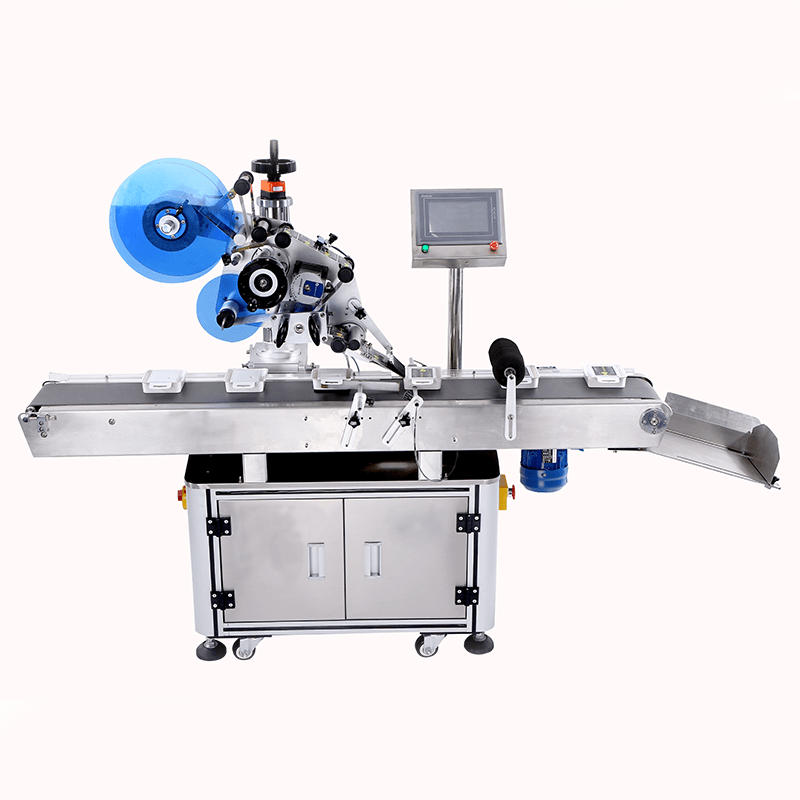
Máquina de grabado láser de ultraprecisión WJ-U3 para tampografía
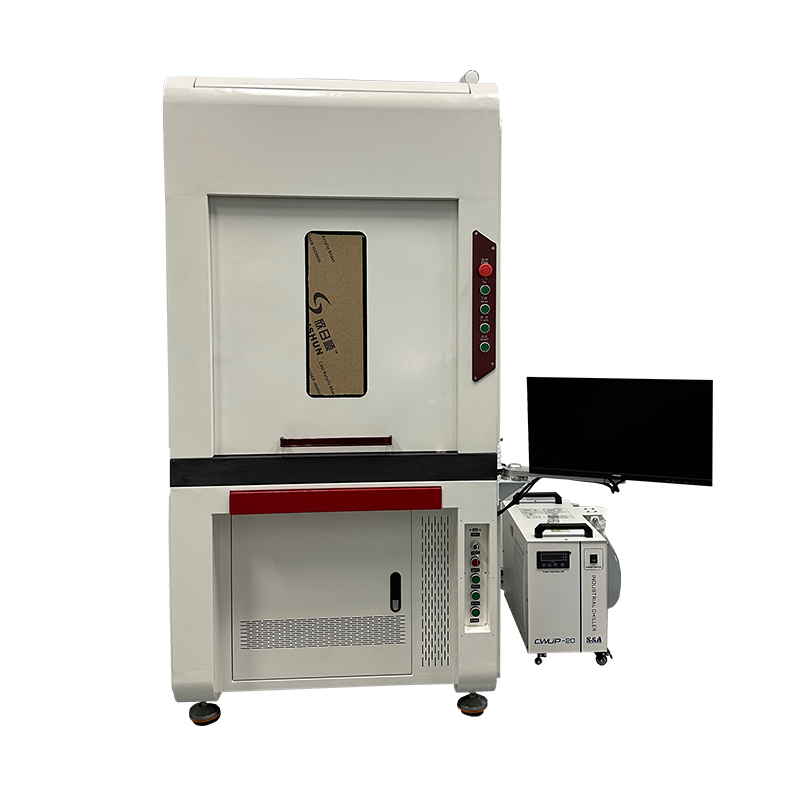
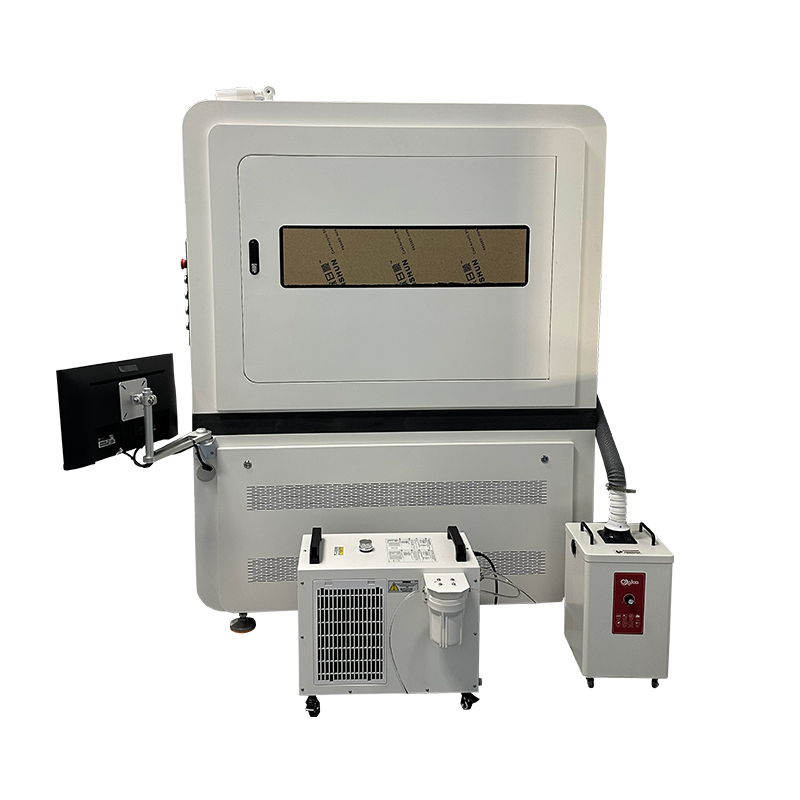
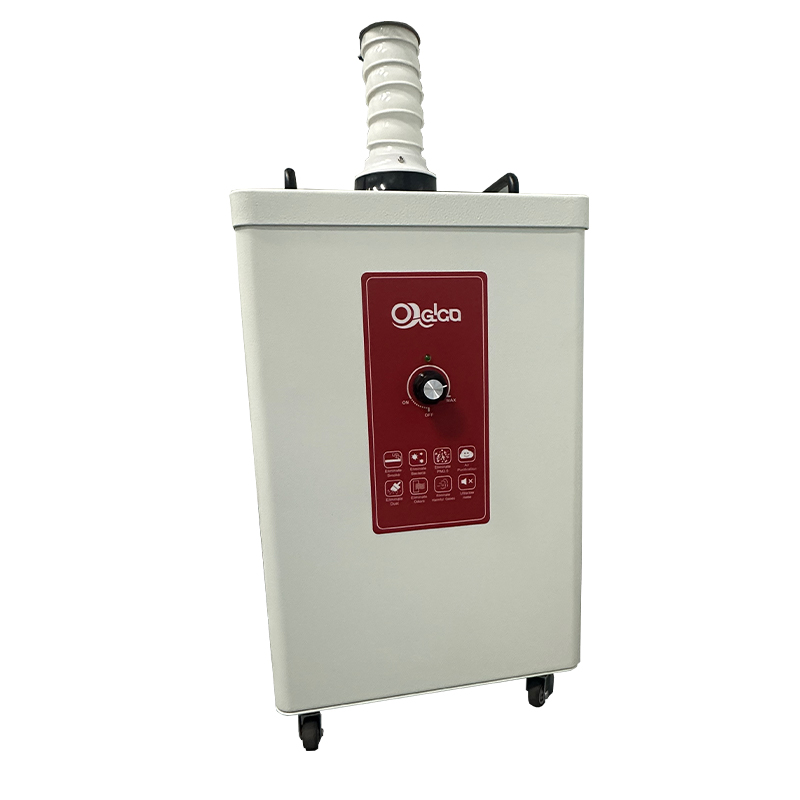
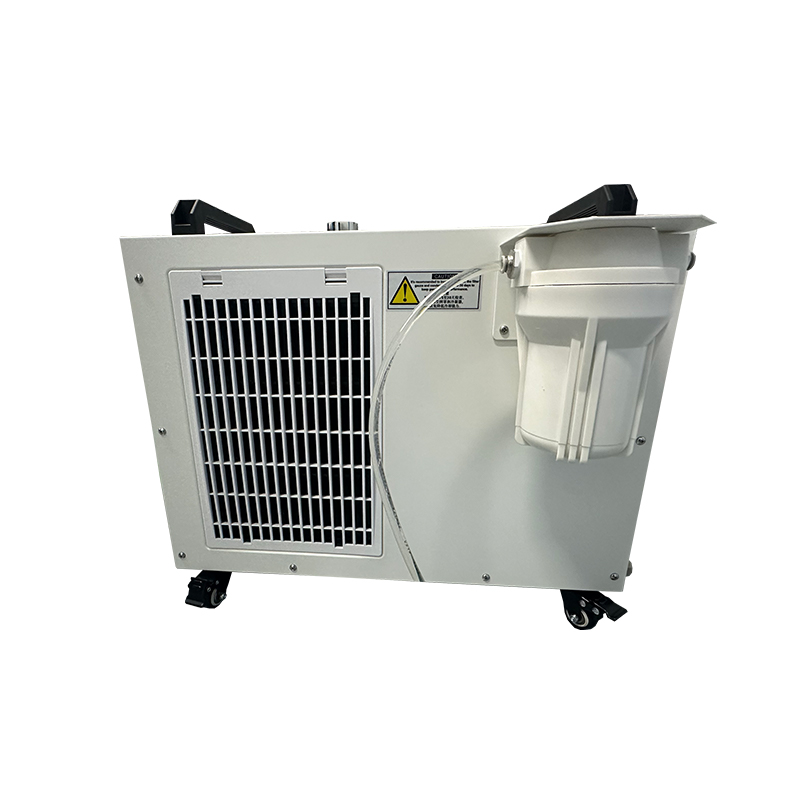
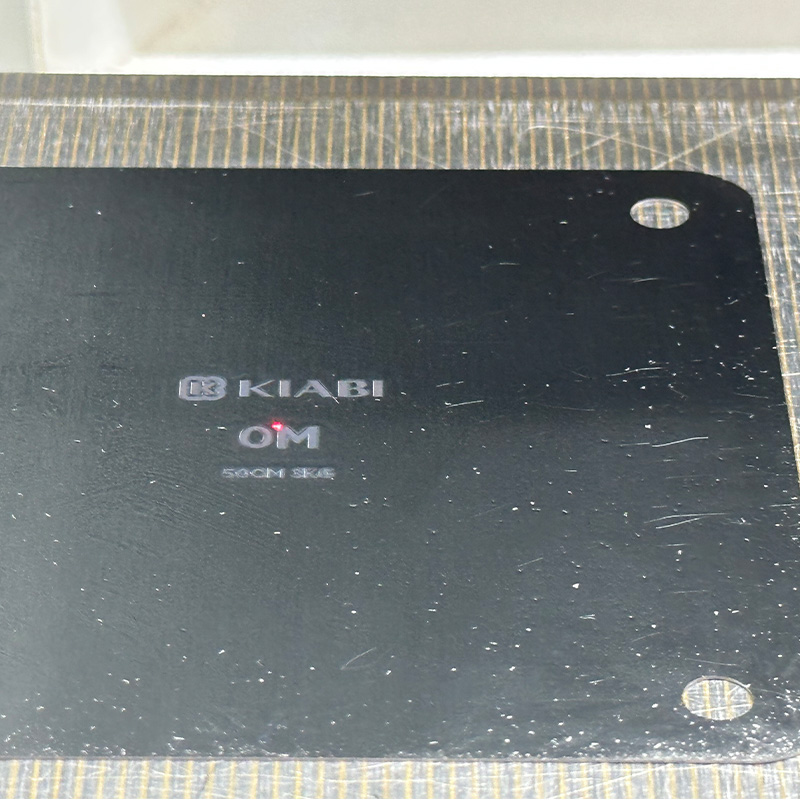
Proceso ultrarrápido de 10 minutos para la fabricación de planchas de impresión.
El flujo de trabajo simplificado (Importar → Enfocar → Grabar) reduce drásticamente los plazos de entrega; no se requieren conocimientos especializados.
Precisión a nivel micrométrico para planchas de tampografía láser
ancho de línea mínimo de 0,02 mm,
Máquina de grabado láser ecológica sin consumibles químicos
No requiere película, fotorresina ni solución de grabado; es ecológico, de bajo costo y seguro para el operario.
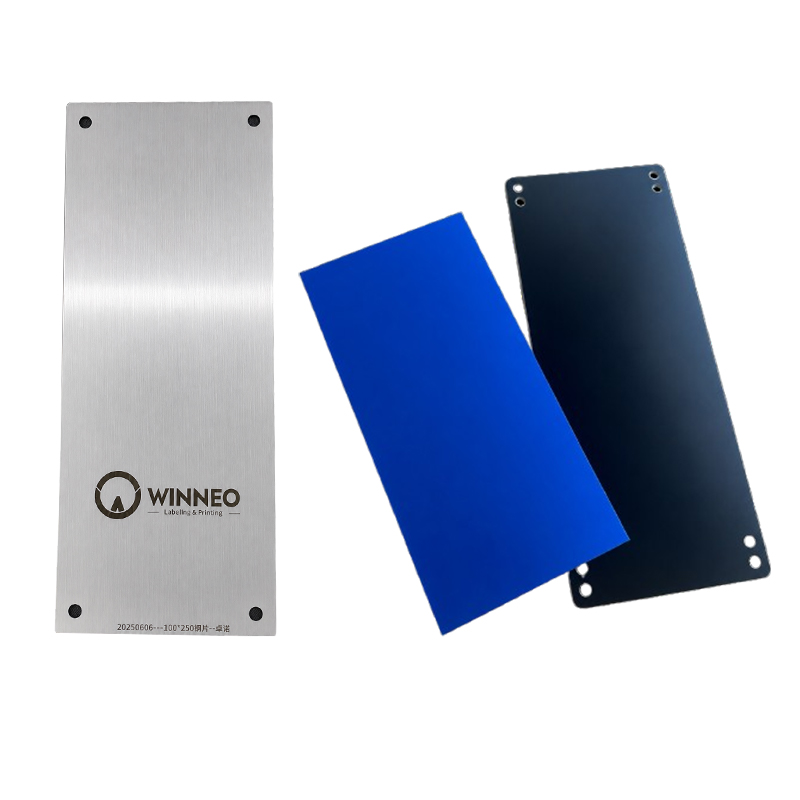
Materiales compatibles
Placas gruesas Z01, placas gruesas Z02, placas gruesas D2, placas de nuevo material WINNEO, placas de acero al carbono, placas de acero inoxidable, láser de fibra Cliché, placas cerámicas, etc.
WINNEO traslada la tecnología de grabado láser del campo de la óptica a la industria de la tampografía. Mediante la aplicación directa de láseres focalizados de alta energía sobre superficies metálicas, logra una fabricación de planchas con precisión micrométrica, ofreciendo una solución de nueva generación para la fabricación de planchas metálicas de precisión en el sector de la tampografía.
Moldeado en 3 pasos, entrega en 10 minutos.
Simplifica el proceso de creación de planchas. Desde la confirmación del diseño hasta el grabado final, los patrones sencillos tardan apenas 10 minutos. Reduce drásticamente el tiempo de producción y permite una respuesta rápida a los pedidos urgentes.
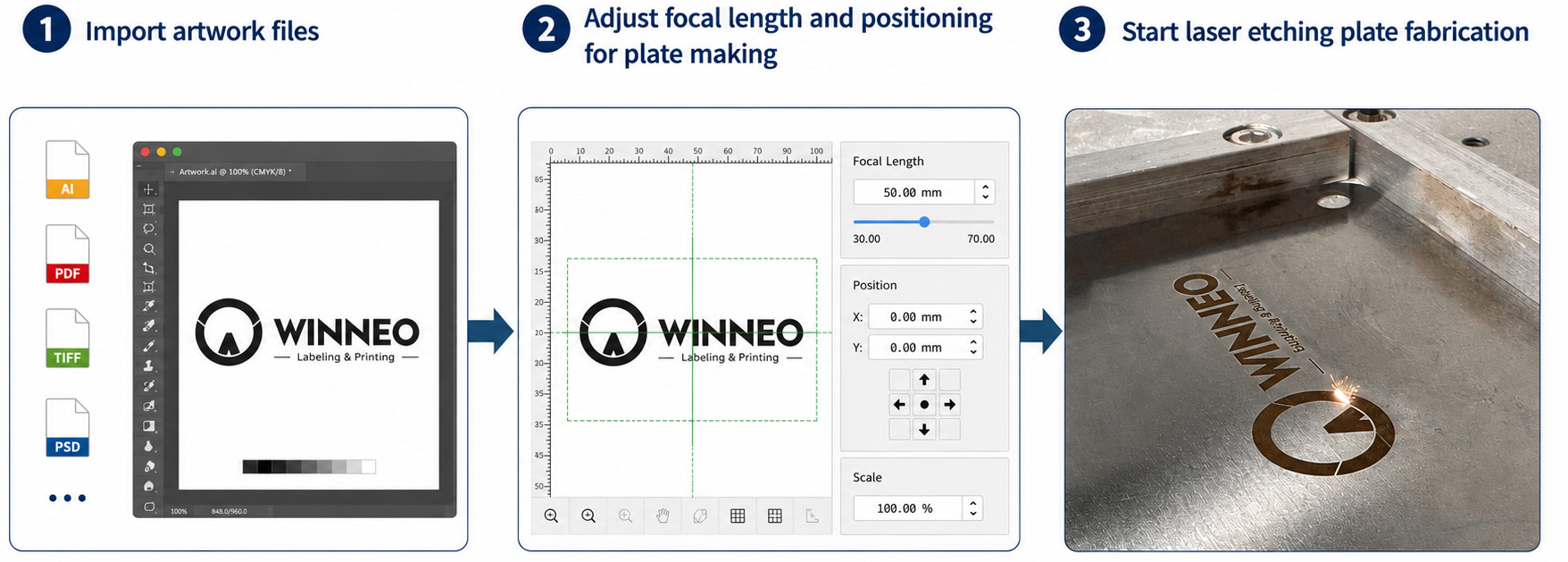
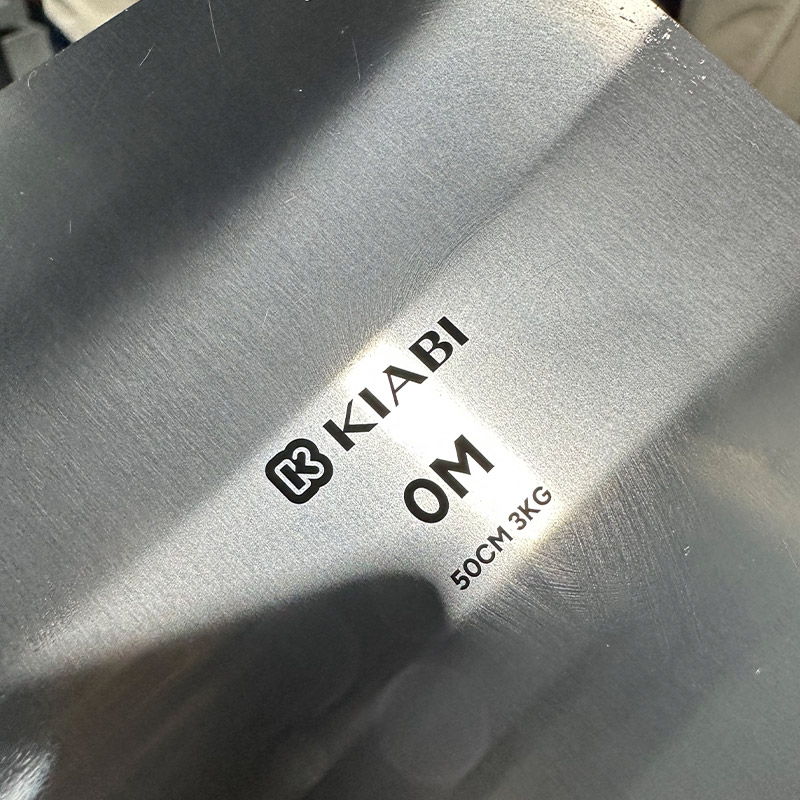
Precisión a nivel micrométrico, control perfecto sobre cada detalle.
Gracias a la incorporación de láseres especializados de última generación y galvanómetros de alta precisión y velocidad, los productos terminados presentan superficies sin rebabas y diseños intactos sin líneas discontinuas.
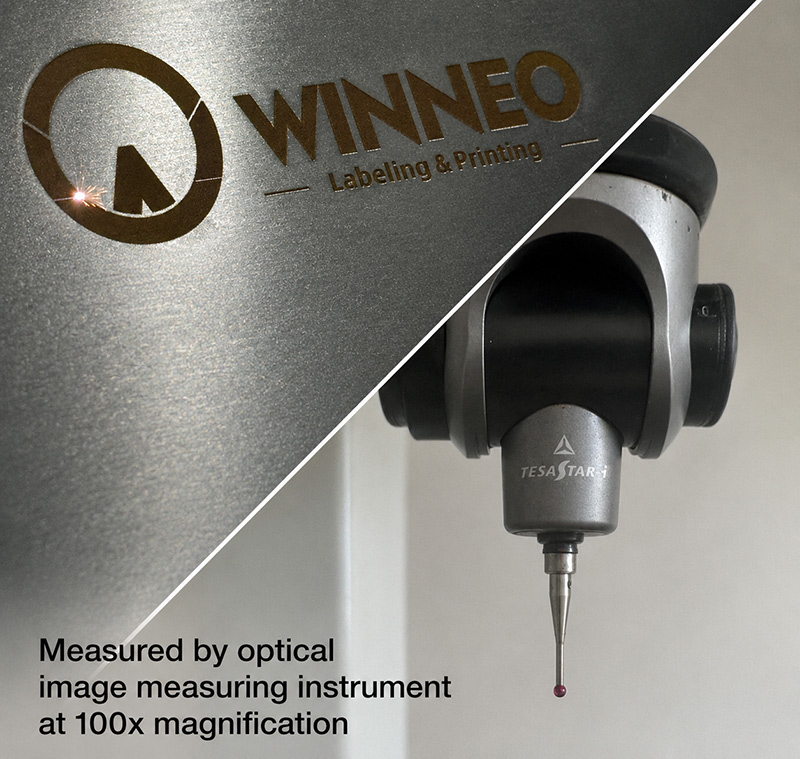
Diseño: Base plana y limpia con bordes de contorno suaves.
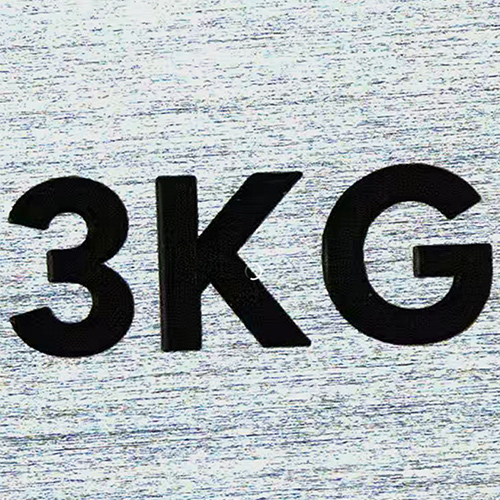
Tipografía: Delgada y distintiva, con bordes y esquinas nítidos y definidos.
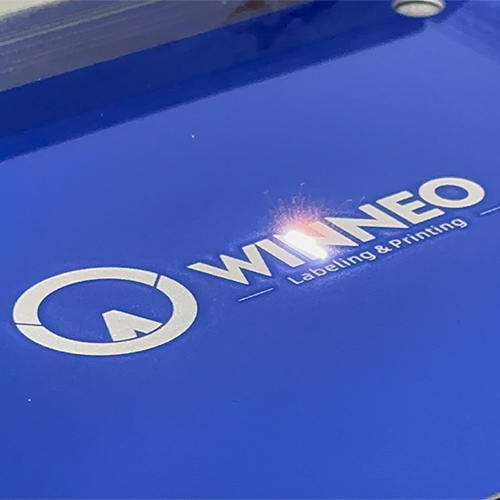
Curvas: Suaves y fluidas, con distribución de puntos controlable.
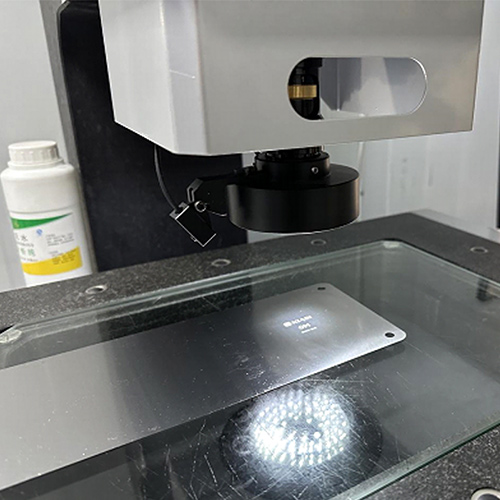
Profundidad: Controlada con precisión, error de profundidad inferior a 0,002 mm.
Los datos verifican una calidad superior.
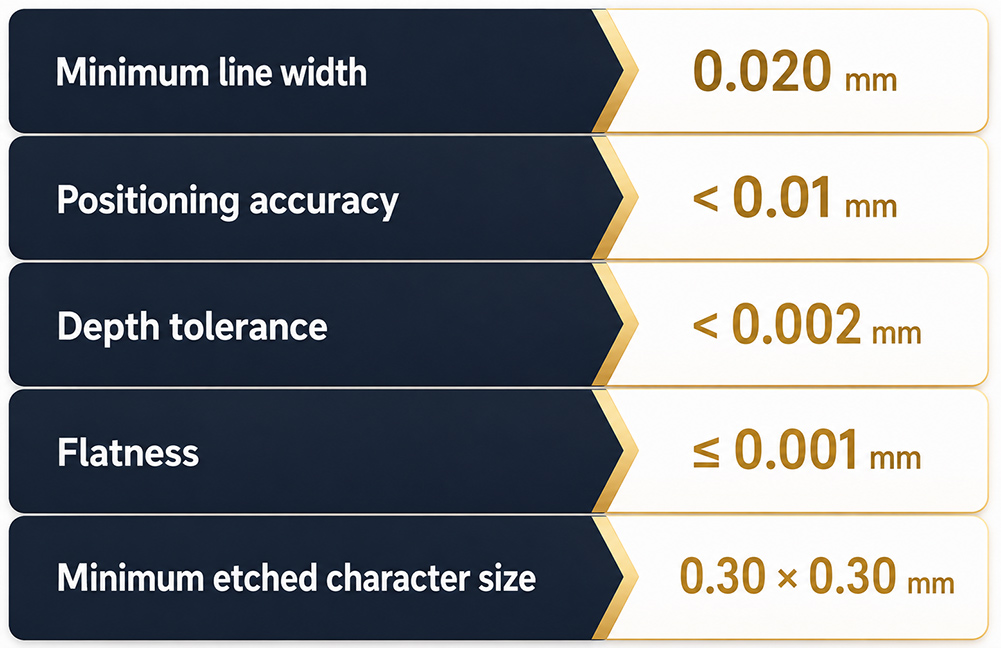
Respaldada por especificaciones de precisión líderes en la industria, nuestra máquina de fabricación de planchas láser ofrece resultados consistentes y de alta definición para todas sus necesidades de fabricación de planchas de tampografía.
Inspección profesional previa a la entrega.
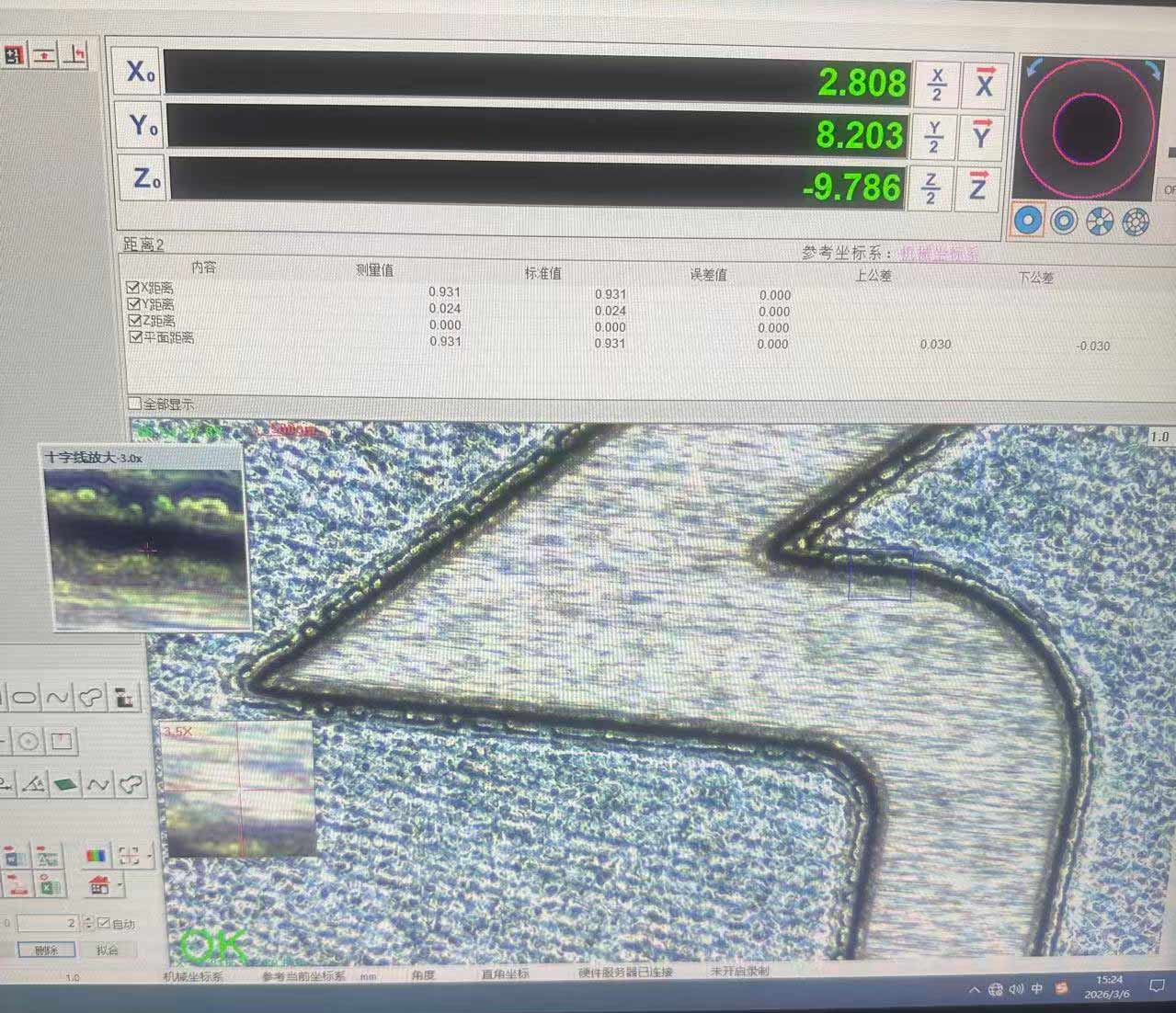
Inspección con visión 2D y preparación de placas: Verificación de la consistencia dimensional y de la forma, y evaluación de si el estado de la superficie inferior cumple con los requisitos de personalización; específicamente, si es lisa o posee un acabado texturizado.
Especificaciones técnicas de la máquina
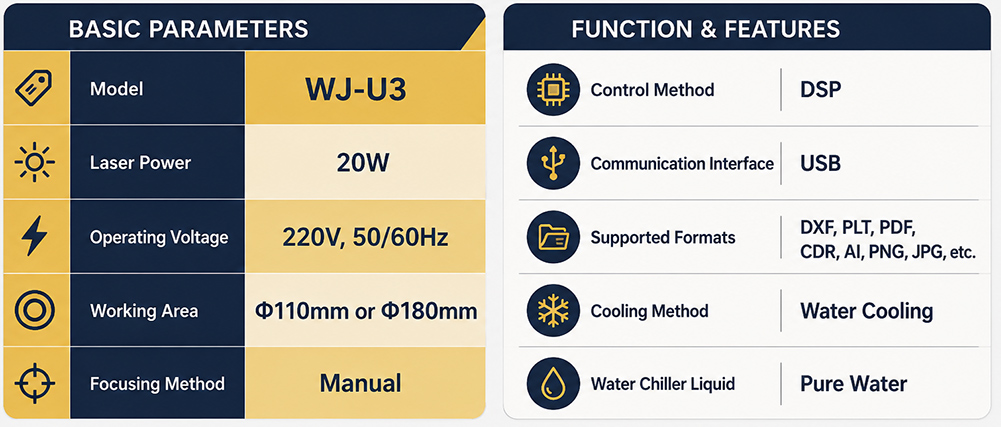
Funcionamiento inteligente: incluso los principiantes pueden empezar a usarlo fácilmente.
El proceso está totalmente controlado por máquinas, sin intervención humana subjetiva, lo que garantiza una calidad constante y fiable. Los empleados pueden operar tras una formación básica, lo que reduce la dependencia de la experiencia profesional.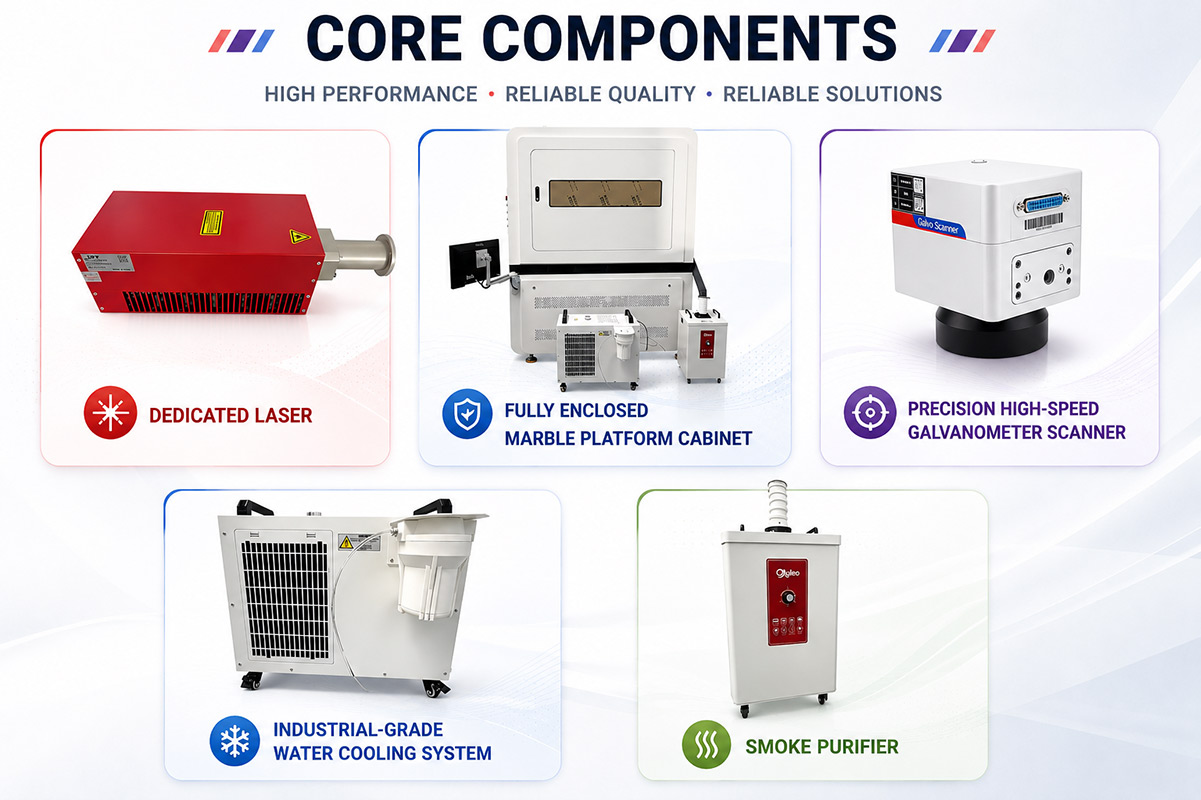
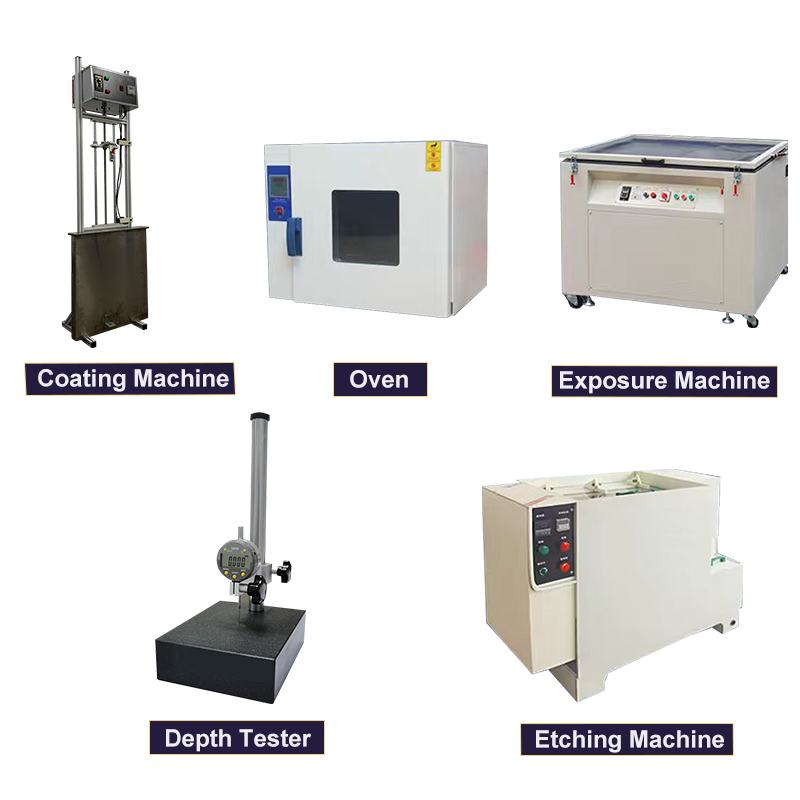
Características de esta máquina:1. Diseño especial para pulverización ascendente y aplicación en la fabricación de placas de clichés para tampografía.2. Con el sistema controlado por tiempo y termostato, garantiza una profundidad de grabado precisa.3. Las boquillas de pulverización y el soporte de placa con oscilación escalonada proporcionan una mayor precisión de grabado.
Detalles
Proceso ultrarrápido de 10 minutos para la fabricación de planchas de impresión.El flujo de trabajo simplificado (Importar → Enfocar → Grabar) reduce drásticamente los plazos de entrega; no se requieren conocimientos especializados.Precisión a nivel micrométrico para planchas de tampografía láserancho de línea mínimo de 0,02 mm,
Detalles


 IPv6 RED SOPORTADA
Mapa del sitio
| XML | Blog | política de privacidad
IPv6 RED SOPORTADA
Mapa del sitio
| XML | Blog | política de privacidad
Tiempo de trabajo
Recibe tu información las 24 horas del día
Hora de Pekín: Lunes a viernes de 9:00 a 17:30
 Español
 English
 Русский
 Italiano
 Español
 عربي
عربي 한국어
한국어 Türk
Türk Polski
 ไทย
ไทย Tiếng Việt